
Roofing on the Sepulveda Boulevard Corridor, Van Nuys
Roofing on the Sepulveda Boulevard corridor is roofing along a north–south corridor on the west side of Van Nuys, at the airport and Basin edge. BFiber Roofing Repair & Install serves the corridor from Van Nuys, and this page covers only the Roscoe-to-Basin stretch that is Van Nuys-proper-adjacent — because Sepulveda Boulevard runs from the northern Valley to the Westside, far beyond Van Nuys in both directions.
14202 Hamlin St, Van Nuys, CA 91401, United States, Van Nuys, California
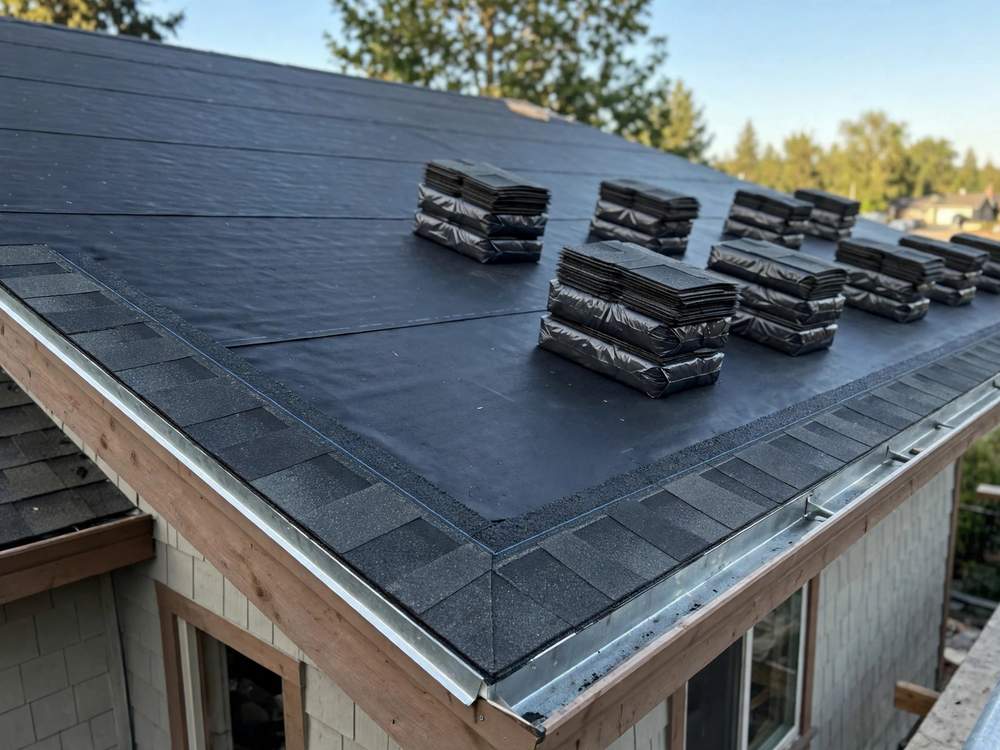
Serving Sepulveda Boulevard corridor from Van Nuys
- Written service plans
- Careful property protection
- One point of contact
- Prepared local crews
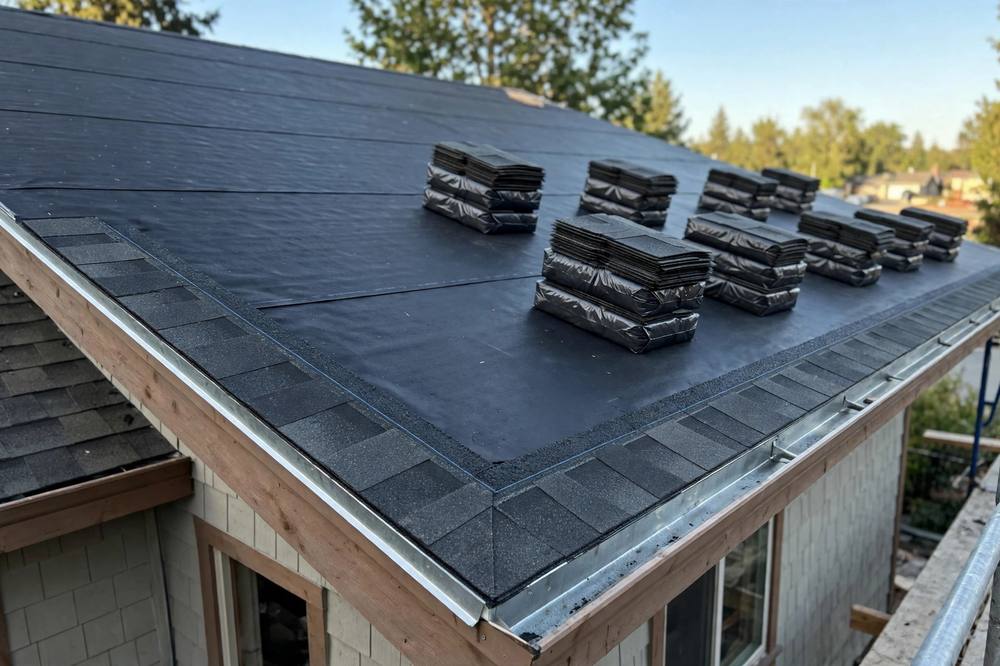
Roofing in Sepulveda Boulevard corridor by BFiber
BFiber's Van Nuys base serves Sepulveda Boulevard corridor, where the typical job involves airport and Basin-edge commercial frontages. Before scope or material, this page settles the Roscoe-to-Basin stretch — the step that prevents a correct roof being specified for the wrong address.
The Sepulveda Boulevard corridor is a corridor in west Van Nuys, not a neighborhood. Only the Roscoe-to-Basin stretch is Van Nuys-proper-adjacent. BFiber Roofing Repair & Install is based at 14202 Hamlin St, Van Nuys, CA 91401, and can be reached at (818) 474-8963.
Sepulveda Boulevard is a Major Highway arterial in the Community Plan, and the G Line's Sepulveda station sits on this corridor. It was resurfaced between Victory Boulevard and Oxnard Street in May 2014. The corridor carries the airport's southern flight path over the Basin and forms the Basin's eastern approach, so open-ground wind reaches Sepulveda-frontage roofs before it reaches the denser blocks east.
Commercial frontages and multi-family housing line Sepulveda itself, transitioning west toward Lake Balboa and the Basin and east toward the Civic Center. The west side of Sepulveda south of Saticoy shades into Lake Balboa, so every address on this corridor needs a cross-street check. Multi-family flat roofs with high-visibility frontages and tenant-notification needs dominate the corridor work, with west-side tract pockets behind the frontages.
In Sepulveda Boulevard corridor, replacement demand is an age story before it is a weather story: the Van Nuys-area ACS figures give a median year built of 1968 and 67.2% of homes built before 1980, and airport and Basin-edge commercial frontages are part of that ageing stock. The weather story layered on top is Valley heat, concentrated winter rain and Santa Ana wind, measured at Van Nuys Airport station (NOAA 1991–2020) as July 91.2°F daily maximum, August 93.1°F, 13.42 inches annual rainfall with February wettest at 3.79 inches, and Santa Ana season October to April.
Good to know in Sepulveda Boulevard corridor
Identity first
The Sepulveda Boulevard corridor is a corridor in west Van Nuys, not a neighborhood. Only the Roscoe-to-Basin stretch is Van Nuys-proper-adjacent.
Valley heat, winter rain, Santa Ana wind
Roofing demand in Sepulveda Boulevard corridor follows the Valley climate, not a local microclimate claim: heat, concentrated winter rain and Santa Ana wind. The Van Nuys Airport station record (NOAA 1991–2020) gives July a 91.2°F daily maximum, August 93.1°F, annual rainfall of 13.42 inches with February wettest at 3.79 inches, and Santa Ana season October to April.
Permits through LADBS
A permit is required — confirm the repair-vs-re-roof line with LADBS for your scope. Permits in the City of Los Angeles run through LADBS, not the County. Permit fees are confirmed with LADBS for each job.
- The G Line Sepulveda station node
- The Roscoe-to-Basin Van Nuys-proper-adjacent stretch
- The Basin's eastern approach and open-ground wind
- The Victory-to-Oxnard resurfacing segment (May 2014)
Roofing Services Available in Sepulveda Boulevard corridor
Commercial roofing and flat roofing for the corridor frontages, roof replacement and roof repair for the west-side tract pockets, and roof inspection for multi-family owners planning phased work are the core services. The Sepulveda and G Line station node is a transit-oriented commercial-roof pocket where staging must not block station access.
Roof Installation
New roof installation in Sepulveda Boulevard corridor starts with tearing off the old layers and checking the deck for rot.
Roof Replacement
Full roof replacement in Sepulveda Boulevard corridor is common on homes built before 1980 that have two or three shingle layers.
Roof Repair
Roof repair in Sepulveda Boulevard corridor covers leaks around skylights, flashing failure at walls, and missing shingles after a wind event.
Roof Inspection
A roof inspection in Sepulveda Boulevard corridor checks shingles, flashing, valleys, penetrations, gutters, and attic ventilation.
Roof Maintenance
Roof maintenance in Sepulveda Boulevard corridor means clearing debris, resealing pipe boots, checking flashing, and clearing gutters before the rain.
Residential Roofing
Residential roofing in Sepulveda Boulevard corridor covers single-family homes, duplexes, and small apartment buildings.
Commercial Roofing
Commercial roofing in Sepulveda Boulevard corridor includes government buildings, retail, and office properties around Van Nuys Boulevard.
Flat Roofing
Flat roofing in Sepulveda Boulevard corridor is mostly TPO, EPDM, and modified bitumen on commercial buildings and home additions.
Shingle Roofing
Shingle roofing in Sepulveda Boulevard corridor takes a beating from summer heat. Granule loss and brittle shingles are common on roofs facing west.
Tile Roofing
Tile roofing in Sepulveda Boulevard corridor shows up on Spanish-style homes and some commercial entries. Clay tiles and concrete tiles last decades, but the underlayment underneath fails first.
Metal Roofing
Metal roofing in Sepulveda Boulevard corridor is a good fit for homeowners who want a long service life and lower cooling load.
TPO Roofing
TPO roofing in Sepulveda Boulevard corridor is our go-to for flat commercial roofs. The white membrane reflects heat, which helps with cooling costs in July and August.
EPDM Roofing
EPDM roofing in Sepulveda Boulevard corridor is common on older commercial buildings. The black rubber membrane is durable, but seams and flashings fail over time.
Modified Bitumen Roofing
Modified bitumen roofing in Sepulveda Boulevard corridor is a good middle ground for flat roofs that need more puncture resistance than TPO.
Roof Leak Repair
Roof leak repair in Sepulveda Boulevard corridor starts with finding the actual source, not the stain on your ceiling.
Storm Damage Roof Repair
Storm damage roof repair in Sepulveda Boulevard corridor covers wind-lifted shingles, broken tiles, and debris impacts.
How each Roofing service plays out here
Industrial and commercial flat roofs, 405-adjacent wind and debris exposure, and airport-edge commercial stock are the corridor's distinctive roofing problems, alongside the Valley-wide pattern of heat-aged shingles and winter-rain leaks on the tract pockets. Parapet, signage and rooftop-equipment penetrations need detailing on commercial frontages, and drainage capacity matters where large flat sections meet corridor foot traffic.
Roof Installation in Sepulveda Boulevard corridor
A new roof for airport and Basin-edge commercial frontages in Sepulveda Boulevard corridor means working around the existing deck and the lot, not around an ideal site: layers stripped, rot checked, underlayment and flashing installed before shingles, materials staged in the driveway with the street kept clear.
- Strip old layers first
- Check deck for rot
- Stage materials off street
More about Roof Installation
See how Roof Installation worksRoof Replacement in Sepulveda Boulevard corridor
Full replacement on homes here often means tearing off two or three layers of old shingles. We replace damaged fascia and soffit while the roof is open, then install new underlayment, drip edge, and ridge vent. We magnet-sweep the yard for nails before we leave.
- Tear off all old layers
- Replace fascia and soffit
- Magnet-sweep for nails
More about Roof Replacement
See how Roof Replacement worksRoof Repair in Sepulveda Boulevard corridor
Repairs here usually trace back to flashing, pipe boots, or wind-lifted shingles. We use a moisture meter and infrared camera to find the source before we open anything up. We test with water before we close the repair and leave the area clean.
- Trace leak to source
- Repair flashing and boots
- Test with water
More about Roof Repair
See how Roof Repair worksRoof Inspection in Sepulveda Boulevard corridor
An inspection here covers shingles, flashing, valleys, penetrations, gutters, and attic ventilation. We photograph every problem area and give you a written report with priorities. Inspections take 45 to 90 minutes depending on roof size and access.
- Check shingles and flashing
- Photograph problem areas
- Written report with priorities
More about Roof Inspection
See how Roof Inspection worksHomes and businesses in Sepulveda Boulevard corridor
Commercial frontages and multi-family housing line Sepulveda itself, transitioning west toward Lake Balboa and the Basin and east toward the Civic Center. The west side of Sepulveda south of Saticoy shades into Lake Balboa, so every address on this corridor needs a cross-street check. Multi-family flat roofs with high-visibility frontages and tenant-notification needs dominate the corridor work, with west-side tract pockets behind the frontages.
Homes in Sepulveda Boulevard corridor
Industrial and commercial flat roofs, 405-adjacent wind and debris exposure, and airport-edge commercial stock are the corridor's distinctive roofing problems, alongside the Valley-wide pattern of heat-aged shingles and winter-rain leaks on the tract pockets. Parapet, signage and rooftop-equipment penetrations need detailing on commercial frontages, and drainage capacity matters where large flat sections meet corridor foot traffic.
- Shingle and tile re-roofs for ageing tract stock
- Flat-section and addition tie-ins
- Valley, flashing and penetration repairs
- Gutter and drainage work as part of a roofing system
Businesses in Sepulveda Boulevard corridor
For corridor frontages, the business scope leads with commercial and flat roofing, roof replacement and repair for the west-side tract pockets, and roof inspection for multi-family owners planning phased work around occupants. The Sepulveda and G Line station node is a transit-oriented commercial-roof pocket where staging must not block station access.
- Flat TPO, EPDM and modified bitumen roofs
- Parapet, drain and scupper work
- Phased re-roofs that keep premises trading
- Skylight curb and penetration flashing
Common roofing problems in Sepulveda Boulevard corridor
Industrial and commercial flat roofs, 405-adjacent wind and debris exposure, and airport-edge commercial stock are the corridor's distinctive roofing problems, alongside the Valley-wide pattern of heat-aged shingles and winter-rain leaks on the tract pockets. Parapet, signage and rooftop-equipment penetrations need detailing on commercial frontages, and drainage capacity matters where large flat sections meet corridor foot traffic. Valley demand drivers are heat, concentrated winter rain and Santa Ana wind. At Van Nuys Airport station (NOAA 1991–2020) July averages a 91.2°F daily maximum and August 93.1°F, annual rainfall is 13.42 inches with February wettest at 3.79 inches, and Santa Ana season runs October to April.
Flashing failure at walls and penetrations
In Sepulveda Boulevard corridor, the flashing story for airport and Basin-edge commercial frontages is a heat story: expansion and contraction crack sealant, water slips behind the metal, and the leak surfaces inside at a distance from where it entered.
Ponding water on flat and low-slope roofs
In Sepulveda Boulevard corridor, 405-adjacent wind and Basin debris makes drainage a first-order question rather than an afterthought. A drain clogged or a slope built wrong leaves water standing long enough to blister membranes and open seams, so flat-roof visits here start with drainage capacity.
Granule loss and brittle shingles from heat
In Sepulveda Boulevard corridor, asphalt shingles on airport and Basin-edge commercial frontages age by heat before they age by rain: granules shed, edges curl, the surface goes brittle, and sun-facing slopes lead the decline.
Tile underlayment ageing
For airport and Basin-edge commercial frontages, tile replacement alone would miss the failure in Sepulveda Boulevard corridor. The tile typically outlasts its underlayment, so lift-and-relay with underlayment renewal is the repair this page recommends in that situation.
Clogged gutters and valley debris
For airport and Basin-edge commercial frontages, debris is a roof problem before it is a gutter problem. In Sepulveda Boulevard corridor, loaded valleys overflow fascia and push water under the edge, so clearing valleys and gutters ahead of winter rain prevents leaks that would otherwise look like flashing failures.
Signs You Need Roofing Work in Sepulveda Boulevard corridor
Watch for these signs that it is time to call a roofer.
Any one of these is worth a call.
Nothing picked yet. Tap the signs you have noticed and this box will sum them up.
How we find and check addresses in Sepulveda Boulevard corridor
Do not confuse this corridor with the two other Sepulvedas: the Sepulveda Basin is a flood-control basin and recreation area, and ‘Sepulveda’ was the former name of North Hills. One name, three different things — this page is about the boulevard corridor only, and only its Van Nuys-proper-adjacent stretch.
The G Line Sepulveda station node
Used as an orientation and boundary check for Sepulveda Boulevard corridor, not as a claim about any individual property.
The Roscoe-to-Basin Van Nuys-proper-adjacent stretch
Orientation and boundary check only.
The Basin's eastern approach and open-ground wind
Orientation and boundary check only.
The Victory-to-Oxnard resurfacing segment (May 2014)
Orientation and boundary check only.
The west-side transition toward Lake Balboa south of Saticoy
Orientation and boundary check only.
Talk to BFiber about roofing in Sepulveda Boulevard corridor
The Sepulveda Boulevard corridor is a corridor in west Van Nuys, not a neighborhood. Only the Roscoe-to-Basin stretch is Van Nuys-proper-adjacent. No reviews, ratings or testimonials are published on this page. To discuss a roof in Sepulveda Boulevard corridor, call BFiber Roofing Repair & Install at (818) 474-8963 or use the contact page. BFiber is based at 14202 Hamlin St, Van Nuys, CA 91401.
Call (818) 474-8963 Contact usHow seasons affect roofing in Sepulveda Boulevard corridor
For airport and Basin-edge commercial frontages, the year in Sepulveda Boulevard corridor divides by the Valley record from Van Nuys Airport station (NOAA 1991–2020): a July daily maximum averaging 91.2°F and August 93.1°F, 13.42 inches of annual rainfall with February wettest at 3.79 inches, and Santa Ana wind season from October to April.
Spring
In Sepulveda Boulevard corridor, spring is the inspection season for airport and Basin-edge commercial frontages because winter rain and wind leave their evidence then: stains on ceilings, moisture in attics, and shingles that no longer sit tight.
Summer
In Sepulveda Boulevard corridor, summer planning for airport and Basin-edge commercial frontages respects the heat rather than ignoring it: brittle shingles and expanding membranes mean inspections and replacement planning belong in cooler hours and cooler weeks where scheduling allows.
Fall
As the Basin's eastern approach, Sepulveda frontages feel open-ground wind earlier than interior blocks, so Santa Ana season checks weigh ridge caps, flashing and debris clearance. Summer heat ages the large flat sections, and winter rain tests their drains.
Winter
In Sepulveda Boulevard corridor, winter is a burst season for airport and Basin-edge commercial frontages: rain concentrated into a few events, including 4.30 inches in a single day on 4 February 2024 at the Van Nuys airport station. That concentration is why triage after a storm traces the source instead of chasing the stain.
Nearby areas served from Van Nuys
The Sepulveda Boulevard corridor is a corridor in west Van Nuys, not a neighborhood. Only the Roscoe-to-Basin stretch is Van Nuys-proper-adjacent. BFiber is based in Van Nuys and serves the neighbouring areas below. Each linked page describes its own boundaries.
Roofing in Sepulveda Boulevard corridor: FAQs
Straight answers to what people ask first. The 2025 California Building Standards Code (Title 24) took effect on 1 January 2026, adopted in Los Angeles by Ordinance No. 188797. C-39 is a licence class and scope only; no licence number for this firm is stated on this page, and no licence holding is claimed.
How much does roofing cost in Sepulveda Boulevard corridor?
Costs depend on scope, material and roof size, so this page quotes published market ranges rather than a BFiber price. Published Oct-2026 market data only, not BFiber prices: Los Angeles roof replacement averaged $17,271, ranging $10,256–$24,963 (Angi, 31 July 2026); California roof repair $450–$3,200 (Modernize, 26 August 2026); Los Angeles flat roofing $7–$15 per sq ft; Southern California tile re-lay $10–$15 and new tile $15–$25+ per sq ft; California metal about $9–$18 per sq ft, with a second guide giving standing seam $8–$14 — the disagreement is shown, not averaged. No firm price or price guarantee is offered on this page.
Do I need a permit for roofing work in Sepulveda Boulevard corridor?
A permit is required — confirm the repair-vs-re-roof line with LADBS for your scope. Permits in the City of Los Angeles run through LADBS, not the County. Permit fees are confirmed with LADBS for each job. The 2025 California Building Standards Code (Title 24) took effect on 1 January 2026, adopted in Los Angeles by Ordinance No. 188797. C-39 is a licence class and scope only; no licence number for this firm is stated on this page, and no licence holding is claimed.
Is Sepulveda Boulevard the same thing as the Sepulveda Basin?
No. Sepulveda Boulevard is a north–south corridor, the Sepulveda Basin is a flood-control basin and recreation area mostly in the Encino-Tarzana Community Plan Area, and Sepulveda was also the former name of North Hills. This page covers only the boulevard corridor's Van Nuys-proper-adjacent stretch.
How do I contact BFiber about roofing in Sepulveda Boulevard corridor?
Call BFiber Roofing Repair & Install at (818) 474-8963 or use the contact page. BFiber is based at 14202 Hamlin St, Van Nuys, CA 91401. The Sepulveda Boulevard corridor is a corridor in west Van Nuys, not a neighborhood. Only the Roscoe-to-Basin stretch is Van Nuys-proper-adjacent.
Get roofing help in Sepulveda Boulevard corridor
The Sepulveda Boulevard corridor is a corridor in west Van Nuys, not a neighborhood. Only the Roscoe-to-Basin stretch is Van Nuys-proper-adjacent. Call BFiber Roofing Repair & Install at (818) 474-8963 or use the contact page to discuss a roof in Sepulveda Boulevard corridor.
Call (818) 474-8963 Contact usContact BFiber about roofing in Sepulveda Boulevard corridor
Call (818) 474-8963 to discuss a roof in Sepulveda Boulevard corridor. BFiber Roofing Repair & Install is based at 14202 Hamlin St, Van Nuys, CA 91401, United States.
- Phone
(818) 474-8963 - Address
14202 Hamlin St, Van Nuys, CA 91401, United States - Contact page