
For Homes
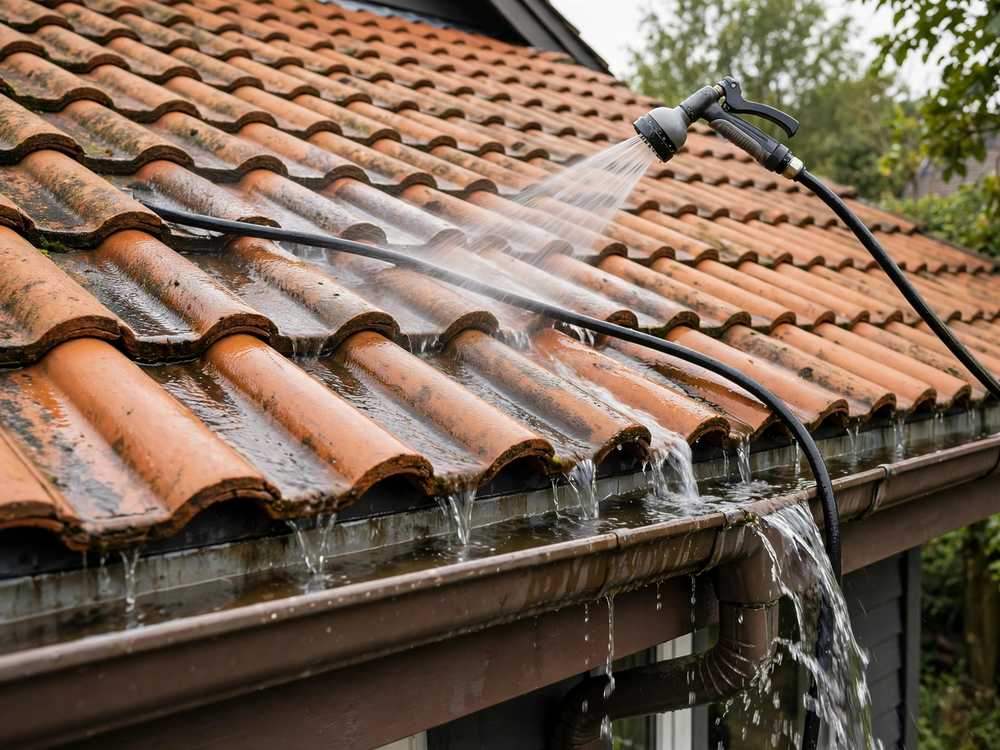
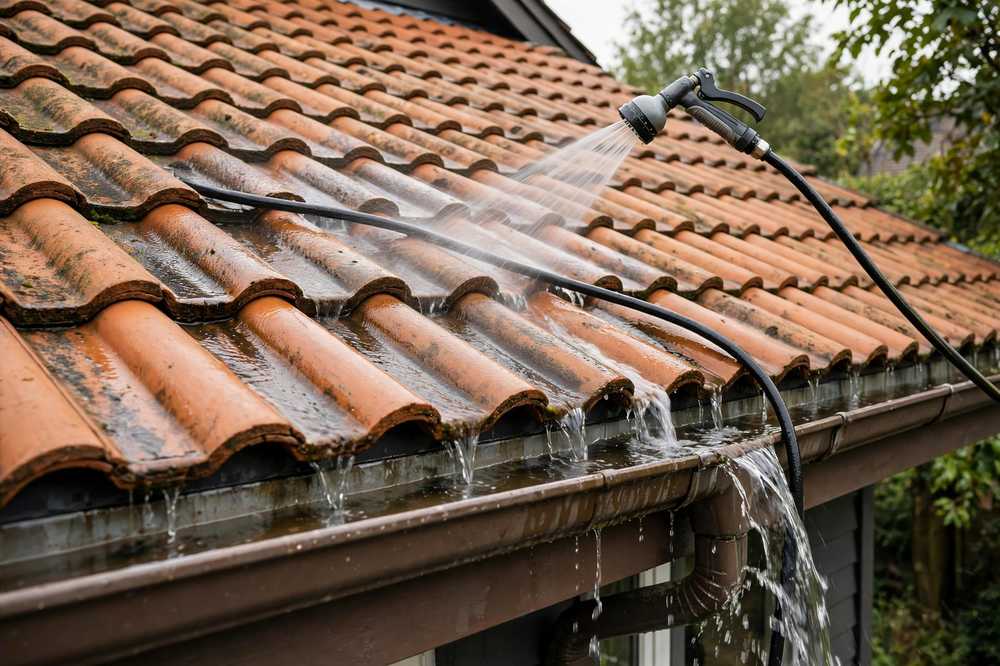
For a house, replacement usually means a pitched shingle or tile system on a Ranch tract, with the family living below the work and the yard protected daily.
- Leaks over living areas
- Granule loss in gutters
- Storm-torn shingles
Roof replacement Van Nuys is the decision point for a postwar tract roof that has already had its repairs. BFiber Roofing Repair & Install, based at 14202 Hamlin St, replaces the whole system — tear-off to the deck, sheathing, underlayment, flashing, ventilation, and field material — when patching has stopped buying time.
 Tear-off to deckNew flashingMagnetic sweep
A full replacement is a complete system, not a new surface over an old problem. Here is what the scope covers, and what is discussed separately when the roof underneath surprises you.
All existing layers come off down to the deck. Van Nuys tract homes commonly carry two or three layers, and a replacement is the moment those layers, and whatever they were hiding, finally come out.
New underlayment covers the field and new flashing goes at every valley, wall, curb, and penetration. On a Valley roof, flashing is where leaks start, so it is rebuilt rather than reused where it is rusted, damaged, or deteriorated.
Damaged sheathing and fascia are replaced once the deck is exposed. Skip sheathing, common on pre-1980 homes, is addressed under LADBS rules that call for solid sheathing beneath a new covering.
Ridge vent and intake ventilation are fitted to the attic volume, so summer heat — July afternoons averaging 91.2°F and August 93.1°F at Van Nuys Airport — can escape instead of ageing the new field from below.
A full replacement in the City of Los Angeles requires an LADBS permit, and the job is inspected before close-out. A permit is required — confirm the repair-vs-re-roof line with LADBS for your scope.
Debris is hauled away, the yard is swept for nails, and the finished roof is walked with you, with the permit record kept for your files.
The approach is the same for a home and a business: inspect first, scope in writing, then replace. What changes is access, scheduling, and who needs the paperwork.
For a house, replacement usually means a pitched shingle or tile system on a Ranch tract, with the family living below the work and the yard protected daily.
For a building, replacement usually means a flat membrane system on an apartment or commercial roof, phased so tenants keep access and the building keeps operating.
A plain-language look at what full roof replacement involves in Van Nuys, and how it differs from another repair.
See how it worksRoof replacement in Van Nuys means the old system comes off entirely and a new one is built from the deck up. That matters because the defining Van Nuys cohort is postwar: the ACS-based median construction year is 1968, the 1950s alone account for 22.1% of homes, and 67.2% of the stock was built before 1980. On roofs of that age, the failure is often the deck or underlayment, not the visible field, so a new surface over old layers hides the problem instead of solving it.
Replacement also triggers the code questions that repairs avoid. At 50% or more of the roof area re-roofed within a year, LADBS requires the entire roof to meet the approved Class A, B, or C covering rules, and for a residential replacement over half the area, a CRRC-labelled cool-roof product applies. The 2025 California Building Standards Code, adopted by Los Angeles through Ordinance No. 188797, governs permits filed on or after 1 January 2026.
A replacement is not a bigger repair. It is a new roof, with a new deck, new underlayment, and new flashing.
A predictable sequence, so you know what happens on each visit and what is being decided before it is built.
The roof is walked, the attic is checked where accessible, and the roof is measured, with photos documenting granule loss, flashing condition, and any soft decking.
All layers are stripped to the deck, debris is hauled away, and the roof is kept dried in overnight whenever the job runs past a single day.
Damaged sheathing is replaced, fascia is repaired where the roof edge needs it, and penetrations are inspected before anything is covered.
Underlayment, drip edge, flashing, and the field material go on in sequence, with ventilation fitted as the system closes up.
The yard is swept, debris is hauled away, and the finished roof is walked with you, with the permit record and photos kept for your files.
The tools matter less than the sequence they serve. Here is what each one does on a Van Nuys replacement, and the methods that tie them together.
Drives shingle nails at the correct depth and angle, so the new field holds through Santa Ana gusts that in strong Valley events run 50–65 mph.
Finds wet decking and hidden leaks before tear-off, so the scope covers the damage that is actually there rather than the damage visible from the street.
Cuts shingles cleanly and lifts old layers without damaging fascia or stucco, which matters on tract homes where the roof edge meets original trim.
Lays out straight courses and trims underlayment and membrane, because a crooked course becomes a water path in the first concentrated winter rain.
Gets the crew up and keeps them tied off on steep pitches and two-story homes, where most of the fall risk on a residential job actually sits.
The thermal illustrations on this page are generated from photographs and are not measurements of your roof.
Powers nail guns and clears debris from valleys, gutters, and the driveway, so the site stays workable between visits.
Every layer of old roofing is removed and the sheathing is inspected, which is the only way to find rot, delamination, and soft spots with certainty.
Flashing is built to code and to the material maker's instructions: step flashing at sidewalls, new pipe boots, and valley metal replaced rather than reused where damaged.
Ridge vent and intake vents are sized to the attic volume so air moves from soffit to ridge instead of stagnating under a hot deck.
For a residential replacement over half the roof area, LADBS calls for a CRRC-labelled cool-roof product. In Climate Zone 9, the sourced residential re-roof figures are aged reflectance 0.20 and SRI 16 for steep slopes, and 0.63 and SRI 75 for low slopes, each with thermal emittance 0.75 — confirm your parcel's zone on the permit.
A magnetic roller runs over the yard and driveway after tear-off and again at the end, so nails do not outlast the job.
Your Van Nuys home still has three layers of shingles, and the attic shows staining that patching never stopped.
All three layers come off, the deck is inspected and repaired, and a new architectural shingle system goes on with fresh underlayment and ventilation.
A flat roof on an apartment or commercial building ponds water and blisters at the seams.
The old membrane is removed, tapered insulation corrects the drainage, and a new membrane goes on with reworked drains and scuppers.
Outcome:Water reaches the drains instead of sitting on seams, which is what stops the blister cycle from restarting.
A winter storm tore shingles and drove water into the attic, and the roof needs replacement rather than spot repairs.
The damage is documented, the roof is dried in, and a new system is installed with flashing rebuilt at every penetration the storm exposed.
Outcome:The home is protected before the next storm, with a photo record of the deck beneath the new field.
A tile roof looks sound from the street, but the underlayment beneath it has aged out and leaks keep appearing.
The tile is lifted, the underlayment is replaced, and the tile is re-laid with new flashing — a lift-and-relay rather than a new-tile job where the tile itself is still sound.
Outcome:The tile's appearance is kept while the waterproofing layer beneath it becomes new again.
A commercial EPDM roof has reached the end of its serviceable life, with seams and curbs failing together.
The old membrane comes off in phases so the building keeps operating, and a new membrane goes on with curbs and drains reflashed as the work advances.
Van Nuys replacement demand comes from stock age. The Valley population more than doubled between 1945 and 1950, Van Nuys grew from 28,268 in 1940 to 79,973 in 1950, and the Ranch tracts built for that boom are now 60 to 75 years old. Replacement, not repair, is the honest scope once the deck or underlayment has gone.
Winter rain is concentrated, not spread out: the Van Nuys Airport normal is 13.42 inches a year, February alone averages 3.79 inches, and a single February day in 2024 delivered 4.30 inches. A replacement is usually timed so tear-off does not sit open through a storm of that kind.
Van Nuys is a neighborhood in the City of Los Angeles, annexed 22 May 1915, so permits run through LADBS, not the County. A full replacement requires an LADBS permit; a permit is required — confirm the repair-vs-re-roof line with LADBS for your scope.
Before:A Valley Glen Ranch home carried three layers of shingles and a leak that returned every winter despite repeated patching.
After:All layers were torn off, the deck was repaired, and a new shingle system went on with fresh underlayment and ventilation, ending the cycle at its source.
Clear gutters twice a year and check pipe boots each fall, before the first concentrated winter rain tests the new flashing.
Before:A flat roof near Van Nuys Airport ponded water and blistered across the field.
After:Tapered insulation corrected the slope, a new membrane went on, and drains were reset so water leaves the roof instead of sitting on seams.
Inspect the membrane and drains twice a year and clear debris after Santa Ana wind events, when Valley gusts can drive leaves and grit onto a flat roof.
Before:A winter storm lifted shingles across a Van Nuys slope and drove water into the attic.
After:The damage was documented, the roof was dried in, and a new system was installed with flashing rebuilt at every penetration the storm exposed.
Check the roof after every major windstorm and keep attic vents clear, since Santa Ana season runs October to April with an average of 32 events a year.
Most roofs replaced in Van Nuys fail for one of a handful of reasons. Here is what is found, and what a replacement does about each one.
A full replacement is the right call when the roof underneath has gone, not when the surface merely looks tired. Here is what it buys that repairs cannot.
A replacement stops leaks at the source by rebuilding flashing, underlayment, and deck together, instead of sealing the stain that appears furthest from the entry point.
Valley heat ages shingles from above and below: July and August afternoons average 91.2°F and 93.1°F at Van Nuys Airport, and average hottest days reach the mid-100s°F. A reflective, CRRC-labelled product on a larger replacement, plus balanced ventilation, answers that heat directly.
A new roof changes how the whole house reads from the street, and a signed-off permit record matters when the house is sold, because buyers and their inspectors ask about the roof first.
A replacement gives the house a new deck, new underlayment, and new flashing at once, instead of a new surface laid over ageing layers that will fail on their own schedule.
Clear records you can keep and share.
Deck and flashing photographed before close-up, so the hidden layers are documented.
Materials, steps, and scope in writing, discussed before work begins.
The LADBS permit record for your files, showing the job was inspected and closed out.
Replacement comes down to one choice first: tear everything off, or lay over what is there. Here is how those paths compare on a Van Nuys roof.
A new covering laid over the old one, without exposing the deck.
A targeted fix that leaves most of the old roof in place.
Based in Van Nuys and covering the places around it. Pick one for local details.
Published market data, not a quote from BFiber: Angi's Los Angeles guide, updated 31 July 2026, puts the average Los Angeles roof replacement at $17,271, with most projects from $10,256–$24,963, at an average of $8.60 per square foot of roof. Tile and metal run higher in the same guides. Your scope depends on size, pitch, layers to remove, deck condition, and material, so call (818) 474-8963 to discuss your roof.
Duration depends on roof size, system, layers to remove, and deck condition, and no single timeline fits every Van Nuys home. A small shingle roof and a large tile or metal roof are different jobs, and deck repairs found during tear-off change the schedule. Call (818) 474-8963 to discuss timing for your roof.
Replace when leaks recur at the same spots, granule loss leaves bare patches, shingles curl or go missing, or the deck or underlayment is the failure rather than the field. On postwar tract roofs, where 67.2% of Van Nuys housing was built before 1980, age alone is a reason to inspect before deciding between repair and replacement.
Gutters are a separate scope item unless they are written into the scope. Where gutter, downspout, or fascia work is part of the roofing drainage system, it is discussed as part of the written scope before work begins, so there is no surprise line item later.
Other roofing work we handle.
Call (818) 474-8963 and we will inspect your roof, show you photos, and discuss a written scope for the work.
Call (818) 474-8963 to discuss your roof and schedule a walk-through at a time that works for you. You get photos and a written scope to consider before you decide anything.