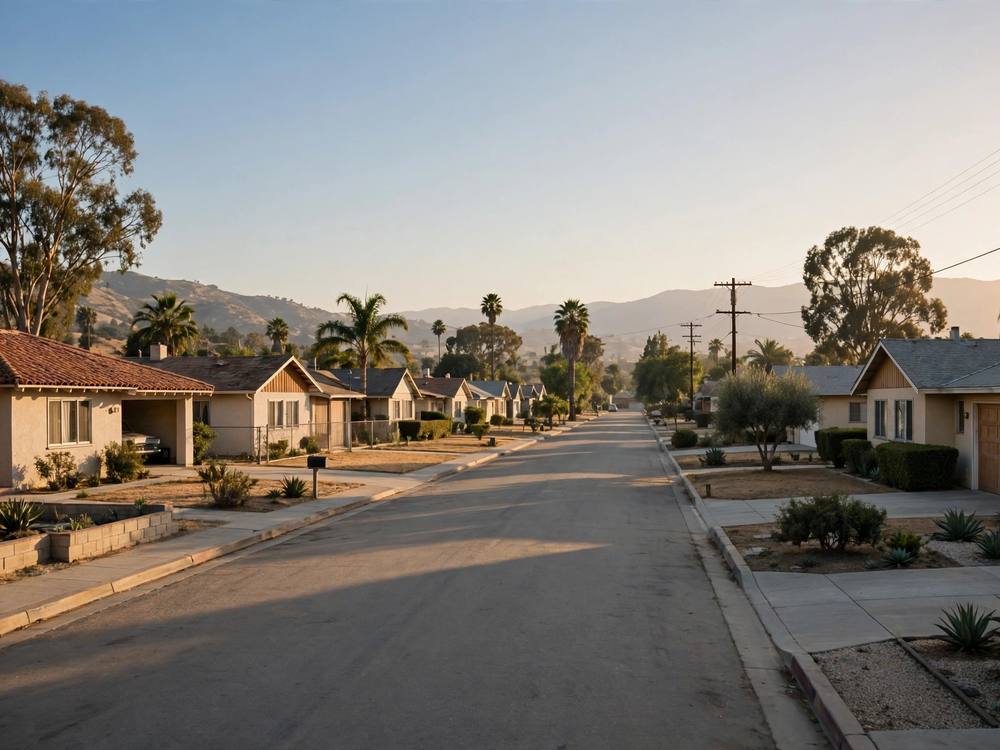
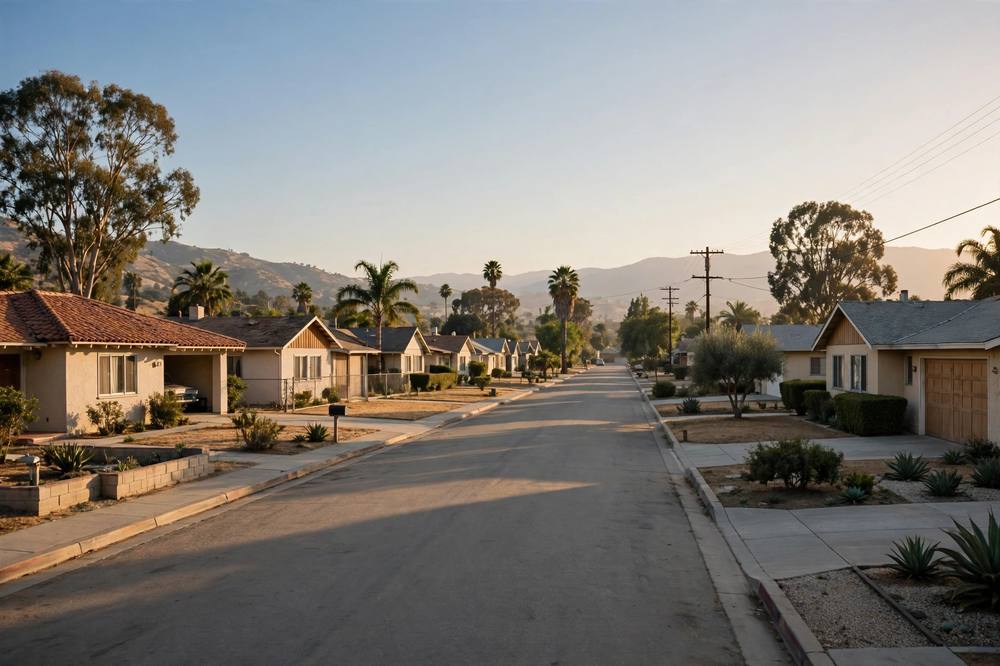
Asphalt shingle roofing Van Nuys work is the Valley tract-house workhorse: composition shingles on the postwar houses that fill the flat streets between Van Nuys Boulevard and the airport, where a roof is usually replaced once, then maintained through its heat years. BFiber Roofing Repair & Install, based at 14202 Hamlin St, installs and repairs shingle roofs with the ventilation and flashing details that keep them alive under Valley summers.
We tarp nightlyDeck and flashing shown before closing
Photos of everythingNails and debris swept from the yard
Written scope firstPermit and inspection steps explained
Yard swept cleanScope described in plain terms
What Our Shingle Roofing Service Includes
A shingle roofing scope covers more than the shingles you see. Here is what it includes, from tear-off to final walk.
Full Tear-Off to Deck
Full tear-off to the deck, with old shingles, underlayment, and flashing removed and the decking inspected so rot and sag are found before the new roof covers them.
New Underlayment and Drip Edge
New underlayment and drip edge across the field and at every edge, since the underlayment is the layer that actually keeps water out once a shingle fails.
Flashing and Pipe Boots
Flashing and pipe boots rebuilt at every penetration and wall, with step flashing, counter flashing, and pipe boots set to the field rather than caulked over old work.
Architectural Shingle Install
Architectural shingle installation in straight courses with the maker's nailing pattern, so wind uplift — a real exposure during Santa Ana events, when Valley gusts in strong events run 50–65 mph — is resisted by the fasteners, not by the seal strip alone.
Ridge Vent and Hip Caps
Ridge vent and hip caps fitted on full installs, balancing attic ventilation so heat and moisture escape instead of cooking the shingle field from below.
Magnet Sweep and Cleanup
A magnet sweep and cleanup at the end of every job, with nails collected from the yard, driveway, and walkways before the crew leaves.
Homes and businesses.
The approach is the same for a home and a business: inspect first, scope in writing, then build. What changes is access, scheduling, and who needs the paperwork.
For Homes
For a home, shingle roofing usually means a house roof: tear-off or re-cover, repair after a wind event, or a full replacement when the field has aged past repair.
Aging shingles losing granules
Leak after a wind event
Roof at end of lifespan
For Properties
For a business, shingle roofing usually means a small commercial or multi-unit building with a pitched roof, where the same details — flashing, ventilation, and nailing — decide whether the roof holds.
Duplex and fourplex roofs
Storm damage on rentals
Annual maintenance visits
What Shingle Roofing in Van Nuys Actually Involves
A plain-language look at what shingle roofing actually involves in Van Nuys, and why the Valley's heat and wind decide its details.
Shingle roofing in Van Nuys covers the tract housing that defines the neighborhood: postwar houses built in the Valley's fastest growth years, many of them 1950s tract homes, with composition shingles as the standard covering. Los Angeles guides call asphalt shingles the most common roof material, and the Valley's tract stock bears that out — shingle roofs are the default here, from small starter homes to larger family houses on the same streets.
The ageing pattern is heat first, storm second. Valley afternoons average 91.2°F in July and 93.1°F in August at Van Nuys Airport, and that heat dries seal strips, loosens granules, and ages underlayment over decades; then winter rain finds the weakened detail, and Santa Ana winds lift the loose tab. A shingle roof that looks fine from the street can be at the end of its serviceable life at the flashing and the field edges.
A shingle roof is a system of layers — deck, underlayment, shingle, flashing, ventilation — and its life is decided by the weakest layer, not the newest one.
What it is
A sloped roof covered in asphalt shingles over underlayment, flashing, and ventilation.
When you need it
When shingles are 18 to 25 years old, losing granules, or leaking after storms.
What to expect
A roof walk, written scope, one to two day install, and a clean property afterward.
How Our Shingle Roofing Process Works
A predictable sequence, so you know what happens on each visit and what is being decided before it is built.
Inspection and Estimate
The roof is inspected in the field and the attic, with photos of the shingles, flashing, and ventilation, so the scope is written from evidence rather than from a leak report alone.
Roof walk
Attic check
Written scope
Material and Schedule
The material and schedule are agreed: shingle profile, underlayment, ventilation, and the Title 24 cool-roof figures for steep-slope residential re-roofs where they apply, with the parcel's climate zone confirmed on the permit.
Pick shingles
Order material
Set start day
Tear-Off and Deck Repair
Old shingles and underlayment come off to the deck, the decking is inspected and repaired, and the roof is kept dried in between phases.
Strip layers
Check deck
Tarp nightly
Install and Detail Work
The new field is installed in straight courses with the maker's nailing pattern, flashing rebuilt at every penetration and wall, and ridge vent and hip caps fitted.
Underlayment
Flashing
Shingle field
Cleanup and Walk-Through
The site is cleaned, a magnet sweep collects nails, and the finished roof is walked with you and photographed for the record.
Magnet sweep
Gutter blow-out
Walk-through
Tools and Methods We Use
The tools matter less than the sequence they serve. Here is what each one does on a Van Nuys shingle roof, and the methods that tie them together.
Roofing nail gun
Drives shingle nails at the correct depth and pattern, so wind uplift is resisted by the fasteners rather than by the seal strip alone.
Shingle cutter
Cuts shingles cleanly at valleys, hips, and edges, keeping courses straight and waste low.
Moisture meter
Confirms whether decking or underlayment is actively wet or old, so the scope replaces what is actually damaged rather than what merely looks stained.
Infrared camera
Reveals temperature differences that point to trapped moisture inside the roof assembly, narrowing the search before anything is opened.
Roofing ladder and safety harness
Gets the crew on and off the roof safely, and keeps the work platform stable on steep tract roofs.
The thermal illustrations on this page are generated from photographs and are not measurements of your roof.
Methods
Chalk line and pry bar
Lays out straight courses and opens suspect shingles and flashing details for a closer look.
Leaf blower and magnet sweeper
Clears debris from the roof field, valleys, and gutters, then sweeps the yard with a magnet so nails do not stay behind.
Manufacturer nailing pattern
Installation follows the material maker's nailing pattern, since a shingle nailed outside that pattern is a shingle that lifts in the first strong wind.
Ice and water shield at vulnerable zones
Ice and water shield goes at the vulnerable zones — eaves, valleys, and around penetrations — as a second line of defense beneath the field.
Balanced attic ventilation
Balanced attic ventilation is fitted so heat and moisture escape instead of cooking the shingle field from below, which is what keeps a new roof from ageing early.
Title 24 and ICC code compliance
For steep-slope residential re-roofs, the sourced Title 24 figures are aged reflectance 0.20, thermal emittance 0.75, and SRI 16, with the parcel's climate zone confirmed on the permit.
When Van Nuys Homeowners Call Us
Two-layer tear-off
A two-layer roof in Van Nuys needs replacement, and the question is whether the old layers can stay.
Both layers come off to the deck, the decking is inspected and repaired, and a new architectural field goes on with fresh underlayment and flashing, so the weight and the hidden deck problems of the old layers are gone.
Pre-sale repair
A pre-sale inspection turns up a leak the seller had not seen.
The field, flashing, and attic are inspected together, the leak is traced to a flashing detail rather than to the field, and the repair is scoped so the sale can proceed with the roof understood rather than guessed at.
Outcome:The sale proceeds with the roof's condition documented, and the buyer knows what the roof will need in its first years.
Wind damage
A windstorm lifts shingles along a ridge and water enters the attic.
The damaged area is dried in, the lifted courses are removed, and the repair ties new shingles into the existing field with the maker's nailing pattern, plus a check of the ridge and hip caps that the wind hit first.
Outcome:The roof is whole again, and the repair record shows which courses were replaced and which were kept.
Rental tune-up
A rental property needs a tune-up before the rain season rather than a full replacement.
Loose shingles are refastened, flashing and sealant are checked at every penetration, and gutters are cleared, so the rental's roof is ready for the concentrated winter rain.
Outcome:The rental stays dry through the season, and the tune-up record shows the landlord what the roof will need next year.
Skylight install
A skylight is added during a roof replacement, and the curb detail has to be right the first time.
The skylight curb flashing is built with membrane tied into the surrounding field, because a skylight leak is almost always a flashing failure, not a glass failure.
Outcome:The skylight stays dry through its first winter, and the curb detail is photographed for the record.
Van NuysValley GlenPanorama City
How Shingle Roofing Runs in Van Nuys
Van Nuys shingle roofing follows the tract stock. The 1950s tracts — the neighborhood's largest building decade, 22.1% of homes — and the postwar streets around them carry composition shingle roofs that are now ageing together, which is why whole blocks show the same granule loss, the same lifted tabs, and the same flashing wear at the same time. A shingle roof here is judged by its field and its flashing together, because heat ages both at once.
Van Nuys is a neighborhood in the City of Los Angeles, annexed 22 May 1915, so permits run through LADBS, not the County. A full replacement requires an LADBS permit; a permit is required — confirm the repair-vs-re-roof line with LADBS for your scope.
Van Nuys: The tract stock that defines the neighborhood, where composition shingles are the default covering and whole blocks age together, showing the same granule loss and lifted tabs at the same time.
Valley Glen: A mix of older shingles and newer architectural fields, where the difference between a repair and a replacement is usually decided by the underlayment, not by the shingle surface.
Panorama City: Postwar houses with shallow-pitched shingle roofs, where ventilation and flashing at the eaves matter as much as the field, and where a tune-up often buys years before a replacement is needed.
North Hills: Homes on the northern edge of the service area with similar tract stock, where wind exposure at ridges and hip caps gets extra attention after Santa Ana events.
Summer heat: Valley afternoons average 91.2°F in July and 93.1°F in August at Van Nuys Airport, drying seal strips and loosening granules over decades; ventilation that lets heat escape is what keeps a new field from ageing early.
Santa Ana wind events: The Santa Ana season runs October–April, averaging 32 events a year, with Valley gusts of 50–65 mph in strong events, and ridge, hip, and edge details are the first to lift.
IllustrativeThe thermal view is generated from the photograph. It is not a measurement. Drag the handle, or use the arrow keys once it is focused.
Two-Layer Tear-Off in Van Nuys
Before:A two-layer tear-off in Van Nuys exposed deck rot that the old layers had hidden.
After:Both layers came off to the deck, the decking was repaired, and a new architectural field went on with fresh underlayment and flashing.
Check a two-layer roof's deck before committing to a re-cover, since the old layers hide exactly the problems a re-cover leaves in place.
Storm Repair Near Van Nuys Airport
Before:A storm repair near Van Nuys Airport lifted shingles along a ridge and let water into the attic.
After:The damaged area was dried in, the lifted courses were removed, and the repair tied new shingles into the existing field with the maker's nailing pattern.
Inspect ridge and hip caps after every wind event, since those are the first details Santa Ana gusts attack.
Skylight and Roof Replacement in Valley Glen
Before:A skylight and roof replacement in Valley Glen needed the curb detail right the first time.
After:The skylight curb flashing was built with membrane tied into the surrounding field, because a skylight leak is almost always a flashing failure, not a glass failure.
Check skylight curbs and surrounding seams once a year, since the curb detail is what keeps a skylight dry.
Shingle Roof Problems We Fix in Van Nuys
Shingle roofs in Van Nuys fail for a handful of reasons. Here is what is found, and how the work addresses each one.
Missing shinglesMissing shingles after a wind eventMissing shingles after a wind event expose the underlayment, and the next rain finds it. The repair refastens and replaces the lifted courses with the maker's nailing pattern, and checks the ridge and hip caps that the wind hit first.
Granule lossGranule loss and curling shinglesGranule loss and curling shingles signal heat ageing across the field. The scope inspects the whole field and the attic together, so a repair is not sold where the field has aged past repair.
Flashing failureFlashing failure at valleys and penetrationsFlashing at valleys and penetrations fails as sealant dries out under Valley heat and metal moves with temperature. The work rebuilds the flashing detail with new metal tied into the field, rather than resealing over old work.
Clogged guttersClogged gutters and downspoutsClogged gutters and downspouts back water under the roof edge, lifting shingles and rotting fascia. The scope clears drainage and checks the roof edge as one system.
Attic condensationAttic condensation and mould riskAttic condensation and mould risk rise when ventilation is unbalanced and warm, moist air sits under a hot roof. The scope balances intake and exhaust ventilation and checks the attic for staining and condensation.
Why Homeowners Choose New Shingles
Shingle roofing is worth doing when it fixes the system, not just the visible field. Here is what properly scoped work gives a homeowner.
Stops Leaks at the Source
A leak is stopped at the source — flashing, valley, or penetration — instead of sealing the stain, so the same leak does not return with the next storm.
Cuts Attic Heat
A cooler roof surface, helped on re-roofs by the Title 24 cool-roof figures for steep-slope work, with the parcel's zone confirmed on the permit, reduces the heat load that ages the field from above.
Raises Curb Appeal
A roof that suits the house — profile, color, and ventilation matched to the tract stock — reads as part of the home rather than as a patch, which is what buyers and neighbors actually notice.
A Roof With Years Ahead of It
A roof with years ahead of it, because the underlayment, flashing, and ventilation were replaced with the field rather than left to fail under it.
What you receive
Clear records you can keep and share.
Written scope
The field, flashing, and attic photographed as found, before any work is discussed.
Photo report
Materials, steps, and scope in writing, discussed before work begins.
Material list
The materials used on your roof, recorded for the next person on the roof.
Job log
A running log of visits, findings, and actions, so the roof's history is in one place.
Tear-off versus nail-over, and why it matters
Shingle systems come down to a scope decision, not a brand decision. Here is how the common scopes compare.
Nail-over
A nail-over: new shingles over the existing field, without removing the old layers.
Cheapest upfront, but hides deck problems under the old field
Adds weight the structure may not have been built for
Not an option where the old field is already at the end of its life
Repair only
A repair only: fixing the failed detail, leaving the rest of the field as it is.
Fixes the failed detail without disturbing the rest of the field
Right when the field is otherwise sound and the failure is local
Wrong when the field has aged past repair across the whole roof
What we work with
Asphalt shingles
Architectural shingles
Roof underlayment
Flashing
Drip edge
Ridge vent
Pipe boots
Valley metal
Towns we serve.
Based in Van Nuys and covering the places around it. Pick one for local details.
Call (818) 474-8963 to talk through your roof and its options.
Call (818) 474-8963 to discuss your roof and next steps.
Frequently Asked Questions
Published market data, not a quote from BFiber: Angi's Los Angeles guide, updated 31 July 2026, puts roof replacement at an average of $17,271, with most projects from $10,256–$24,963 and an average of $8.60 per square foot, and shingle materials in that guide run from about $4 per square foot for three-tab to about $12 per square foot for luxury shingles. Your scope depends on area, layers, deck condition, and system, so call (818) 474-8963 to discuss your roof.
General industry guides put architectural shingles at roughly 30–45 years in Los Angeles guides, with heat, ventilation, and maintenance deciding the real result, and three-tab shingles shorter. No Van Nuys-specific lifespan figure was found, so any number for your roof follows inspection, not a table.
BFiber Roofing Repair & Install, based at 14202 Hamlin St, Van Nuys, CA 91401. Call (818) 474-8963 to discuss your roof and the areas served, including Van Nuys, Lake Balboa, Sherman Oaks, Panorama City, North Hills, and Valley Glen.
Yes, for the tract houses that dominate Van Nuys. Composition shingles are the Valley's workhorse covering, and on steep-slope residential re-roofs the Title 24 figures — aged reflectance 0.20, emittance 0.75, SRI 16 — are part of the scope, with the parcel's zone confirmed on the permit.
Call (818) 474-8963 to discuss your roof and schedule a walk-through at a time that works for you. You get photos and a written scope to consider before you decide anything.