
For homeowners
For a homeowner, a repair usually means one failure: a ceiling stain, a missing shingle run, a skylight drip, or a flashing detail that has aged out.
- Ceiling stain after rain
- Missing shingles after wind
- Skylight drip during storm
Roof repair Van Nuys work starts with a question most quick fixes skip: where is the water actually getting in? BFiber Roofing Repair & Install, based at 14202 Hamlin St, traces leaks to flashing, valleys, penetrations, or membrane seams before repairing, because the ceiling stain is rarely directly below the entry point on a low-pitch Valley roof.
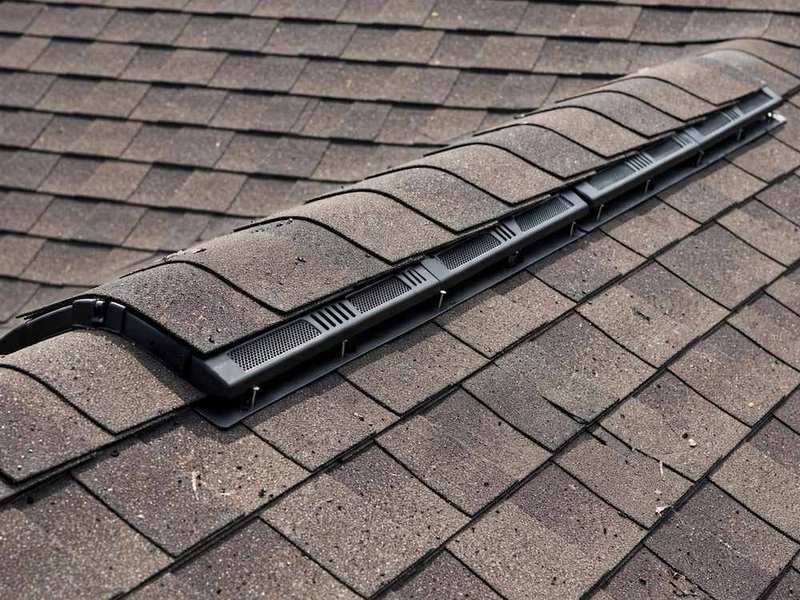 Leak source checkFlashing inspectionAttic moisture scan
A repair scope is only as good as its diagnosis. Here is what a roof repair visit covers, from the first walk to the final test.
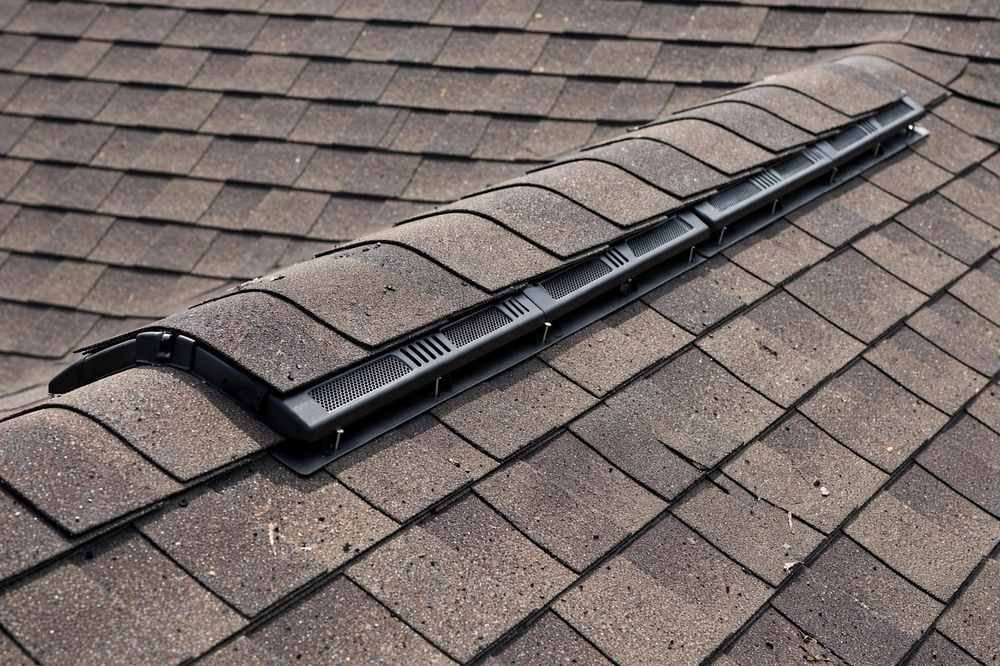
The full roof is walked, the attic is checked where accessible, and the leak path is traced with a moisture meter and infrared camera, so the repair targets the source rather than the stain.
The entry point is confirmed — flashing, valley, pipe boot, skylight curb, or membrane seam — and the failed detail is rebuilt, not merely resealed over old sealant.
Shingles, tiles, or membrane are replaced to match the existing roof as closely as possible, with new flashing and underlayment at the repair area so the fix ages with the roof around it.
Flashing and sealant are renewed at chimneys, walls, vents, and skylights, the details where Valley heat and concentrated winter rain do their worst work.
Debris from the repair is cleared, nails are swept from the yard, and the repair is tested with water before the crew leaves, so you see it hold rather than taking it on trust.
The approach is the same for a home and a business: find the source, scope it in writing, then repair. What changes is access, scheduling, and who needs the paperwork.
For a homeowner, a repair usually means one failure: a ceiling stain, a missing shingle run, a skylight drip, or a flashing detail that has aged out.
For a property manager, a repair usually means a flat-roof failure affecting tenants: ponding, blistered seams, or a warehouse ceiling leak that cannot wait for a full re-roof decision.
A plain-language look at what roof repair covers in Van Nuys, and where repair stops being the honest answer.
See how it worksRoof repair in Van Nuys covers the failure points of ageing Valley roofs: cracked or curled shingles after years of UV and heat, failed flashing at chimneys, vents, and skylights, and valley wear on low-pitch tract roofs. The diagnostic step matters more than the sealant, because on a low-pitch roof water travels along the deck and framing before it shows inside, sometimes several feet from where it entered.
Repair stays sensible while the failure is local: one flashing, one penetration, one slope. It stops making sense when leaks recur at the same spots, granule loss goes field-wide, or the deck or underlayment is the failure rather than the field. On postwar tract roofs, where 67.2% of Van Nuys housing was built before 1980, that threshold arrives sooner than owners expect, and an honest repair visit says so.
A repair fixes a failure. It does not renew a roof whose deck or underlayment has gone.
A predictable sequence, so you know what happens on each visit and what is being decided before it is built.
You describe the leak or damage by phone, and a visit is scheduled to inspect the roof and, where accessible, the attic.
The roof is walked in full, the leak path is traced with a moisture meter and infrared camera, and the source is confirmed rather than assumed from the stain.
The scope is written from the inspection photos: what failed, what will be replaced, and what the repair will and will not solve.
On repair day, the failed detail is rebuilt with new flashing and matching material, and the surrounding field is checked for the same failure.
The repair is water-tested, the site is cleaned, and the visit ends with photos and a written summary of what was done.
The tools matter less than the sequence they serve. Here is what each one does on a Van Nuys repair, and the methods that tie them together.
Drives fasteners at the correct depth and pattern when shingles or membrane patches are set, so the repair holds through Santa Ana gusts that in strong Valley events run 50–65 mph.
Confirms whether a ceiling stain or decking spot is actively wet or old, so the crew does not chase a stain that dried months ago.
Reveals temperature differences that point to trapped moisture inside the roof assembly, narrowing the search before anything is opened.
Gets the crew on and off the roof safely on steep pitches and two-story homes without damaging gutters or landscaping.
Opens suspect flashing and membrane details for a closer look, and cuts shingles cleanly, without tearing up the surrounding field.
The thermal illustrations on this page are generated from photographs and are not measurements of your roof.
Lays out straight courses and trims repair material to fit, because a crooked repair becomes a water path in the first concentrated winter rain.
Water is run over the repaired detail before the crew leaves, so the fix is demonstrated rather than promised.
An infrared scan maps temperature differences across the field, pointing to wet insulation and hidden leak paths that eyes alone would miss.
Repairs follow the material maker's instructions for the system being repaired, since a detail installed against those instructions is a future leak wearing a new coat of sealant.
Title 24 cool-roof rules are noted where a repair grows into a re-roof: for a residential replacement over half the roof area, LADBS calls for a CRRC-labelled product, with Zone 9 figures to confirm on the permit.
A ceiling stain appeared after rain, but the roof above the stain looks intact.
The leak is traced along the deck to a failed flashing detail several feet away, and that flashing is rebuilt with new metal and sealant rather than resealed over the old work.
Outcome:The stain stops growing, and the repair is water-tested before the crew leaves, with photos showing the source that was fixed.
Wind damage tore shingles from a slope after a Santa Ana event.
Missing shingles are replaced to match the existing field, the surrounding courses are checked for lifted tabs and high nailing, and ridge caps are inspected along the same slope.
Outcome:The slope is whole again, and the inspection notes which neighbouring courses are ageing so the next wind event does not find them first.
A flat roof ponds water and leaks at the seams after winter rain.
Drains and scuppers are cleared, the failed seam is repaired with new membrane tied into the existing field, and the slope to the drain is checked so water does not sit on the repair.
Outcome:The seam holds, and the drainage check shows whether the ponding needs a larger correction than a patch can give.
A skylight drips during storms, and previous caulk repairs have not held.
The skylight curb flashing is removed and rebuilt with membrane tied into the surrounding field, because a skylight leak is almost always a flashing failure, not a glass failure.
Outcome:The drip stops, and the curb detail is photographed so the next person on the roof can see how it was built.
Van Nuys repair demand follows the rain calendar. The Van Nuys Airport normal is 13.42 inches a year, but it arrives concentrated: February averages 3.79 inches, July averages 0.00, and long dry summers leave flashing sealant dried out and debris sitting in valleys for months before the first storm tests them.
Santa Ana winds, averaging 32 events a year from October to April, add the second repair driver: lifted shingles, ridge cap damage, and debris that cracks tiles and tears at flashing. The 23–25 February 2023 winter storm brought Valley rainfall of 2–5 inches with gusts of 60–80 mph, a combined rain-and-wind test that finds every weak detail at once.
Van Nuys is a neighborhood in the City of Los Angeles, annexed 22 May 1915, so permits run through LADBS, not the County. A permit is required — confirm the repair-vs-re-roof line with LADBS for your scope.
Before:A ceiling stain kept returning over a living room, and two previous reseals had not stopped it.
After:The flashing at a wall transition several feet uphill was rebuilt with new metal tied into the field, and the stain stopped growing after the next storm.
Check flashing and sealant each fall, before the first concentrated winter rain, since dried-out summer sealant is what fails first.
Before:A flat roof ponded water near its drains and leaked at the seams every winter.
After:Drains were cleared, the failed seam was repaired with new membrane, and the slope to the drain was checked so water moves off the repaired area.
Clear flat-roof drains and scuppers before the rain season and after Santa Ana wind events, when Valley gusts drive debris onto the roof.
Before:Wind tore shingles from a slope and left bare underlayment exposed to UV.
After:Missing shingles were replaced to match the field, neighbouring courses were checked for lifted tabs, and the ridge along the same slope was inspected.
Check the roof after every major windstorm, since Santa Ana season runs October to April and a lifted tab found early is a repair, not a slope replacement.
Most repair calls in Van Nuys trace to one of a handful of failures. Here is what is found, and how a repair addresses each one.
A repair is worth doing when it fixes the failure rather than hiding it. Here is what a properly scoped repair gives you.
A repair visit traces the leak to its source — flashing, valley, penetration, or seam — instead of sealing the stain, so the same leak does not return with the next storm.
Repairs are built to code and to the material maker's instructions, with new flashing where the old detail failed, because a repair that ignores the code detail is a future leak.
Shingle, tile, metal, and membrane roofs all fail differently, and the repair approach follows the system: shingle courses, tile underlayment, metal seams, or membrane splices, each with its own detail.
The scope is written before work begins, from inspection photos, so you can see what failed, what will be replaced, and what the repair will not solve.
Clear records you can keep and share.
The leak source, flashing, and repair area photographed before and after the work.
Materials, steps, and scope in writing, discussed before work begins.
The materials used on your repair, recorded for the next person on the roof.
What was done, what was found, and what to watch, in a short written summary.
Repair and replacement answer different questions. Here is how to tell which one your roof is asking for.
A targeted fix: one flashing, one penetration, one slope.
A larger fix: several failures, or damage across a whole section.
The whole system, when the deck or underlayment has gone.
Based in Van Nuys and covering the places around it. Pick one for local details.
Published market data, not a quote from BFiber: Modernize's California guide, updated 26 August 2026, puts most California roof repairs from $450–$3,200, averaging about $1,400, with minor repairs from $300–$800, moderate repairs from $800–$2,000, and major repairs from $2,000–$5,000+. Your scope depends on the failure, the system, and the deck beneath it, so call (818) 474-8963 to discuss your roof.
BFiber Roofing Repair & Install, based at 14202 Hamlin St, Van Nuys, CA 91401. Call (818) 474-8963 to discuss your roof and the areas served, including Van Nuys, Lake Balboa, Sherman Oaks, Panorama City, North Hills, and Valley Glen.
Duration depends on the failure and the system: a single flashing or shingle repair is a short visit, while a larger section with underlayment work or flat-roof patching takes longer. Call (818) 474-8963 to discuss timing for your roof.
No turnaround promise is published for this business. Call (818) 474-8963 to discuss scheduling for an active leak; the first step is stopping water entry and documenting the damage, and the permanent repair scope follows inspection.
Other roofing services we offer in Van Nuys.
Call (818) 474-8963 and we will inspect your roof, show you photos, and discuss a written scope for the work.
Call (818) 474-8963 to discuss your roof and schedule a walk-through at a time that works for you. You get photos and a written scope to consider before you decide anything.