
For homeowners
For a homeowner, an inspection answers one question: repair, monitor, or replace, and in what order, before the next rain season tests the roof.
- Ceiling stain after rain
- Roof over 15 years old
- Pre-sale condition report
Roof inspection Van Nuys work is the document that separates a localised repair from a re-roof. BFiber Roofing Repair & Install, based at 14202 Hamlin St, inspects the field, flashing, attic, and drainage, then hands you photos and a written report with priorities, so the next decision is made from evidence rather than from a stain on the ceiling.
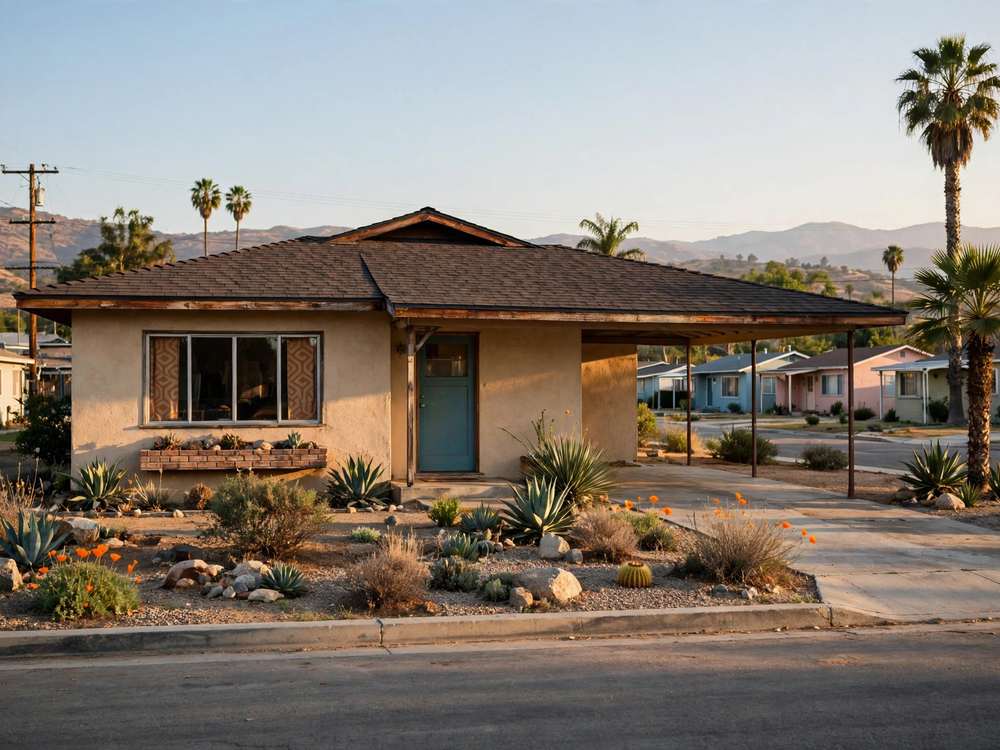 Attic moisture checkPhoto reportFlashing inspection
An inspection is a written record, not a sales visit. Here is what it covers, from the field to the attic.
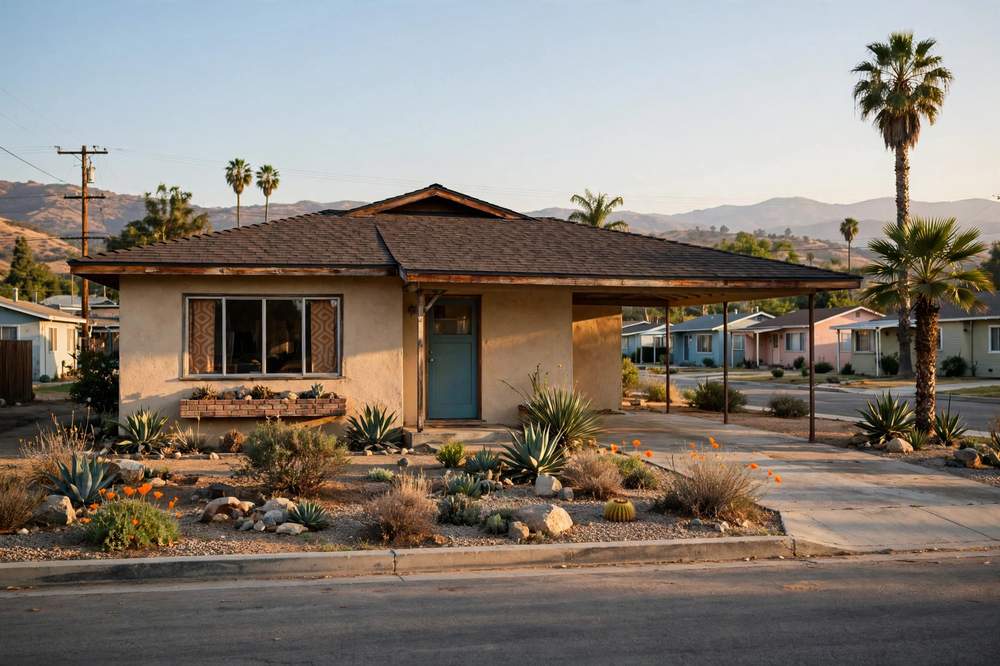
The roof field is walked course by course: shingle condition, granule loss, tile condition, membrane seams, and every visible detail, photographed as it is found.
Flashing and every penetration — chimneys, vents, skylights, pipe boots, walls, and curbs — are checked, since these details, not the field, are where most Van Nuys leaks begin.
The attic and decking are reviewed where accessible: staining, condensation, daylight through boards, and soft sheathing, which together say more about the roof's age than the surface does.
Drainage and gutters are checked for clogging, overflow paths, and fascia condition, because a roof that cannot shed water will leak no matter how sound its field looks.
You receive a written report with photos, ranking findings so repair, monitoring, and replacement are separate decisions rather than one blurred recommendation.
The approach is the same for a home and a business: inspect first, report in writing, then decide. What changes is who reads the report and what decision it supports.
For a homeowner, an inspection answers one question: repair, monitor, or replace, and in what order, before the next rain season tests the roof.
For a property manager, an inspection answers a planning question: which buildings need work this year, which can wait, and what the capital plan should carry.
A plain-language look at what a roof inspection covers in Van Nuys, and when it pays for itself.
See how it worksRoof inspection in Van Nuys covers the whole system: field, flashing, penetrations, attic, decking, and drainage. That breadth matters because Van Nuys roofs fail in layers: a tile field can look sound while its underlayment has aged out, a shingle field can look intact while its flashing has dried out, and a flat membrane can look whole while its insulation is already wet. An inspection separates those layers instead of judging the roof by its surface.
The inspection is also the decision document for postwar roofs. With 67.2% of Van Nuys housing built before 1980 and the 1950s the largest single decade at 22.1%, most roofs here are old enough that repair-versus-replacement is a real question, not a formality. A written report with photos lets a buyer, an owner, and a manager argue from the same evidence.
An inspection does not fix a roof. It tells you, in writing, what needs fixing and in what order.
A predictable sequence, so you know what happens on each visit and what you will receive at the end.
You describe the roof, its age if known, and any leak history, so the visit starts with the right questions rather than a cold walk.
The exterior is walked in full: field, flashing, penetrations, edges, and drainage, with every finding photographed.
The attic is checked where accessible for staining, condensation, daylight, and soft decking, since the underside often tells the story the surface hides.
Gutters and drainage are checked for clogging, overflow, and fascia condition, because water that cannot leave the roof will find its way inside.
The findings are ranked and walked through with you, with photos and a written report you can keep, share, or hand to a buyer.
The tools matter less than the sequence they serve. Here is what each one does on a Van Nuys inspection, and the methods that tie them together.
Confirms whether a ceiling stain or decking spot is actively wet or old, so the report does not chase a stain that dried months ago.
Reveals temperature differences that point to trapped moisture inside the roof assembly, narrowing the search before anything is opened.
Gets the crew on and off the roof safely on steep pitches and two-story homes without damaging gutters or landscaping.
Opens suspect flashing and membrane details for a closer look without tearing up the surrounding field.
Used during follow-up repairs to keep shingle courses and flashing lines straight, so a repair does not become the next leak.
The thermal illustrations on this page are generated from photographs and are not measurements of your roof.
Clears debris from the roof field, valleys, and gutters so the actual surface can be seen, rather than inspected through a layer of leaves.
The inspection works from the inside out, using attic staining and moisture readings to narrow the search before the field is judged.
Every finding is photographed and ranked as monitor, repair, or replace, so the report is a plan rather than a list of worries.
When a replacement is likely, Title 24 cool-roof and insulation requirements are noted, so the next scope starts from the code that will govern it.
You are buying or selling a home in Van Nuys and need a condition report before closing.
The full roof system is inspected and a written report with photos and repair priorities is delivered, so both sides negotiate from the same document.
Outcome:Negotiations move faster because the roof condition is documented instead of argued about.
Your roof is 15 to 20 years old and you want to know how much life is left.
Shingles, flashing, underlayment, and attic condition are checked, then findings are ranked as monitor, repair, or replace.
Outcome:You get a realistic timeline so you can budget for replacement instead of being surprised by it.
You spotted a ceiling stain or a drip after a winter storm.
The leak is traced to its source with a moisture meter and infrared camera, documented, and ranked against the rest of the roof's condition.
Outcome:The leak stops being a mystery, the stain stops growing, and you have photos showing where the water entered.
You manage a commercial property and need to plan capital repairs.
The flat roof membrane, drains, and terminations are inspected, then a condition report ranks the work across the building's roof areas.
Outcome:You can budget repairs across fiscal years instead of reacting to emergency leaks.
An annual inspection documents the roof condition year over year, so small maintenance items are caught before they become leaks, and the record builds a history a buyer or insurer can read.
Van Nuys inspection demand follows the same calendar as its failures. The Van Nuys Airport normal is 13.42 inches of rain a year, concentrated in winter, with February averaging 3.79 inches and July 0.00. A roof that passed a summer glance can leak in December if its gutters are clogged and its flashing has dried out, which is why inspections are usually timed before the rain season.
Heat is the slower inspection story: July and August afternoons average 91.2°F and 93.1°F at Van Nuys Airport, and average hottest days reach the mid-100s°F. An inspection reads that heat in granule loss, curled shingles, and brittle sealant, and separates heat ageing from storm damage so the repair scope matches the cause.
Van Nuys is a neighborhood in the City of Los Angeles, annexed 22 May 1915, so permits run through LADBS, not the County. An inspection report that recommends a full replacement should therefore note the LADBS permit route, not a county process that does not apply here.
Before:A skylight dripped every winter, and the homeowner assumed the skylight itself had failed.
After:Inspection traced the drip to failed curb flashing, not the glass, and the repair scope that followed rebuilt the curb detail with membrane tied into the field.
Check skylight curbs and surrounding seams once a year, since a skylight leak is almost always a flashing story.
Before:A commercial flat roof drained slowly and ponded after every storm.
After:Inspection found clogged drains and a low area the membrane could not shed, and the scope that followed cleared the drains and corrected the slope to them.
Clear flat-roof drains and scuppers before the rain season and after Santa Ana wind events, when Valley gusts drive debris onto the roof.
Before:A pre-sale inspection found a tile roof whose field looked sound but whose underlayment had aged out.
After:The report documented the underlayment failure with photos, the sale proceeded with the roof priced honestly, and the scope that followed was a lift-and-relay rather than a new-tile job.
On a tile roof, always inspect beneath the field: tile itself can outlast several underlayments, and the underlayment is usually the failure.
An inspection exists to catch these problems early, while they are still repairs rather than replacements.
An inspection pays for itself when it changes the decision. Here is what a written report gives you that a glance from the ground cannot.
A ceiling stain caught early is a flashing repair; the same stain caught late is rotted sheathing and interior work. Inspection finds the source while the fix is still small.
A buyer who receives photos and a ranked report negotiates from evidence, and a seller who provides one avoids the roof becoming a late surprise in escrow.
A report that ranks monitor, repair, and replace lets you budget the roof across years instead of reacting to the next storm with an emergency scope.
A clear written record of the roof's condition, with photos, is useful for buyers, managers, and insurers alike, and it outlasts any single visit.
Clear records you can keep and share.
The field, flashing, and attic photographed as found, before any work is discussed.
The roof's condition ranked as monitor, repair, or replace, with the reasoning written down.
Findings ordered by urgency, so the next decision is about sequence rather than guesswork.
Inspection, repair, and replacement are three different decisions. Here is how they relate on a Van Nuys roof.
The document: what is wrong, and in what order to deal with it.
The fix: one failure, dealt with at its source.
The system: a new roof, when the deck or underlayment has gone.
Based in Van Nuys and covering the places around it. Pick one for local details.
Published market data, not a quote from BFiber: Angi's Los Angeles guide, updated 14 July 2026, puts a standard professional roof inspection in Los Angeles at an average of $872, with a normal range of $249–$1,590, and drone inspections from $175–$455 and infrared inspections from $455–$685 in the same guide. Your scope depends on roof size, pitch, and whether a written report is needed, so call (818) 474-8963 to discuss your roof.
An inspection checks shingles, flashing, drip edge, ridge vent, underlayment condition, and every penetration, then reviews the attic for condensation, staining, and fascia rot, and tests gutters and downspouts for clogging and overflow. Drone and infrared tools are methods for seeing more, not a promise of finding everything.
Once a year is a common rule of thumb in general guides, ideally in early fall before the rain season starts. If the roof is over 15 years old or has had a leak repaired, more frequent checks are often recommended in those guides. Call (818) 474-8963 to discuss a schedule for your roof.
BFiber Roofing Repair & Install, based at 14202 Hamlin St, Van Nuys, CA 91401. Call (818) 474-8963 to discuss your roof and the areas served, including Van Nuys, Lake Balboa, Sherman Oaks, Panorama City, North Hills, and Valley Glen.
Related Services.
Call (818) 474-8963 and we will inspect your roof, show you photos, and discuss a written scope for the work.
Call (818) 474-8963 to discuss your roof and schedule a walk-through at a time that works for you. You get photos and a written scope to consider before you decide anything.